



EC Learn To - English Rider Level 5 - 8 Evaluator Training
EC Learn To - English Rider Level 1 - 4 Evaluator Training


Information Session for Competition Coach Specialist and Competition Development (HP1) candidates
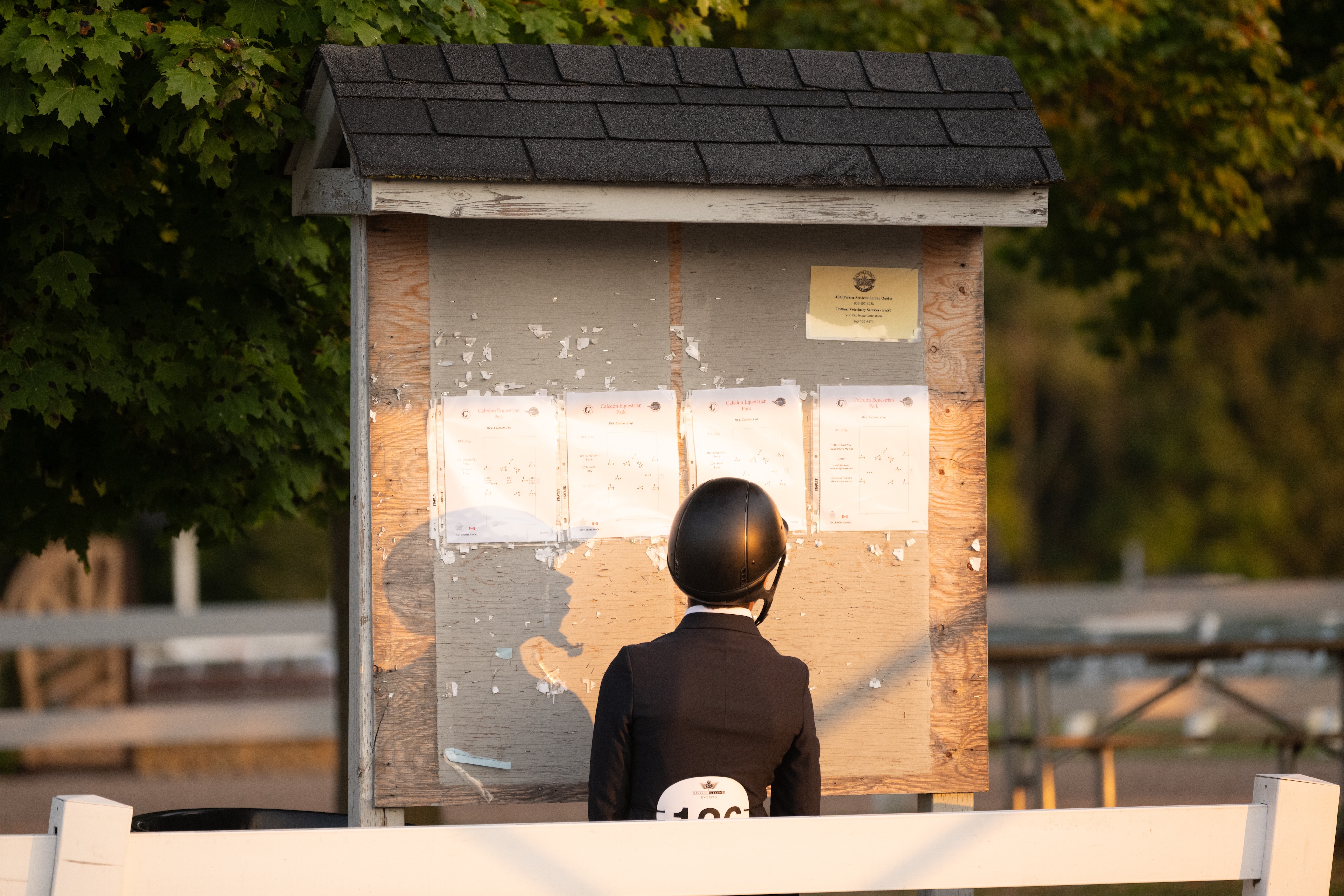
EC NCCP Training Cohort for Competition Coach Specialists
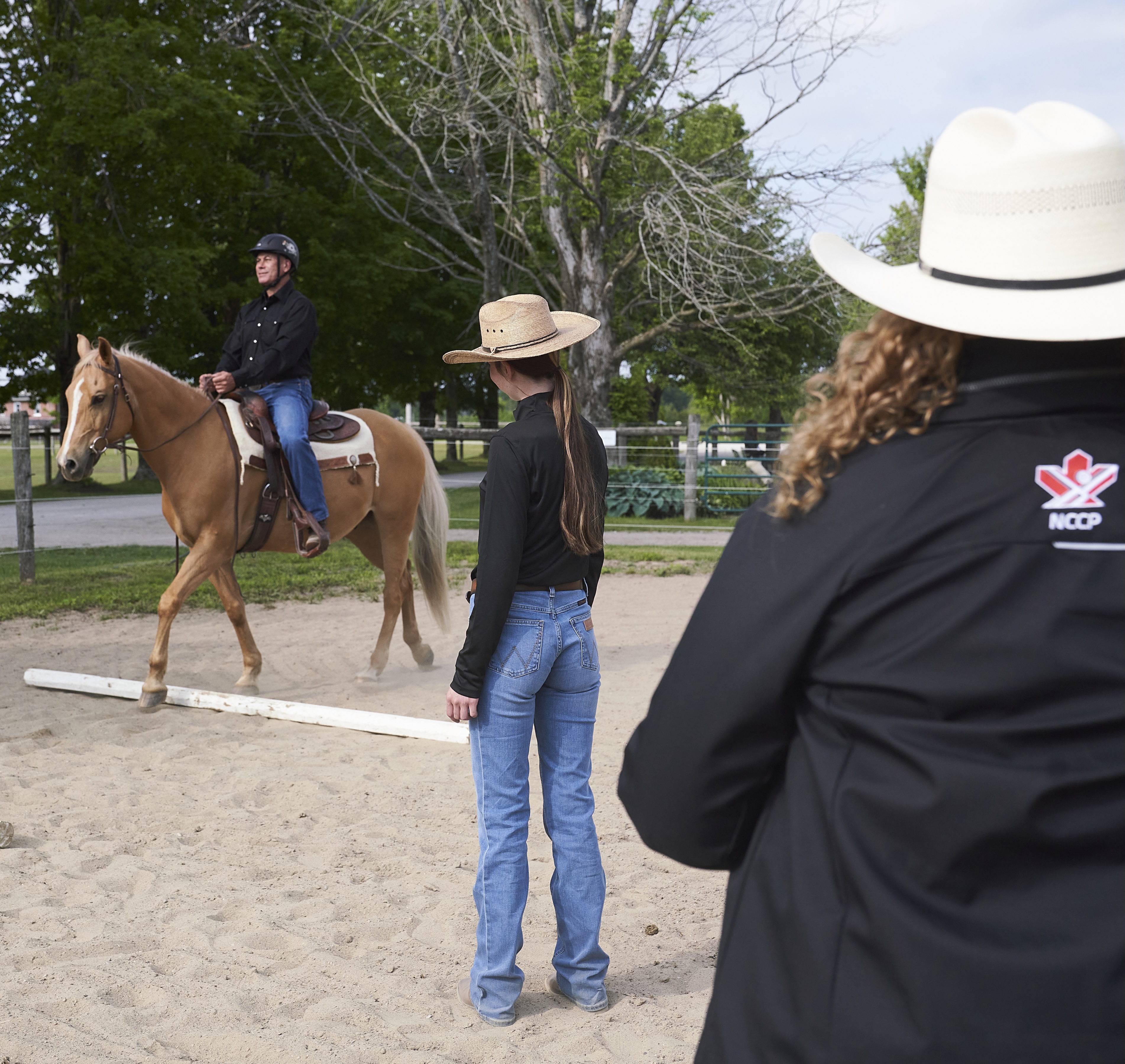
Ontario Equestrian Preparing for EC NCCP Evaluation
Ontario Equestrian Introduction to EC NCCP Certification

Ontario Equestrian Western Evaluation Day Preparation Clinic
EC Learn To - Western Rider Level 1-4 and Intermediate Rider Basic Training Evaluator Training
NCCP Competition Coach Evaluation - English with Jumping
NCCP Competition Coach Evaluation - English Flat Only
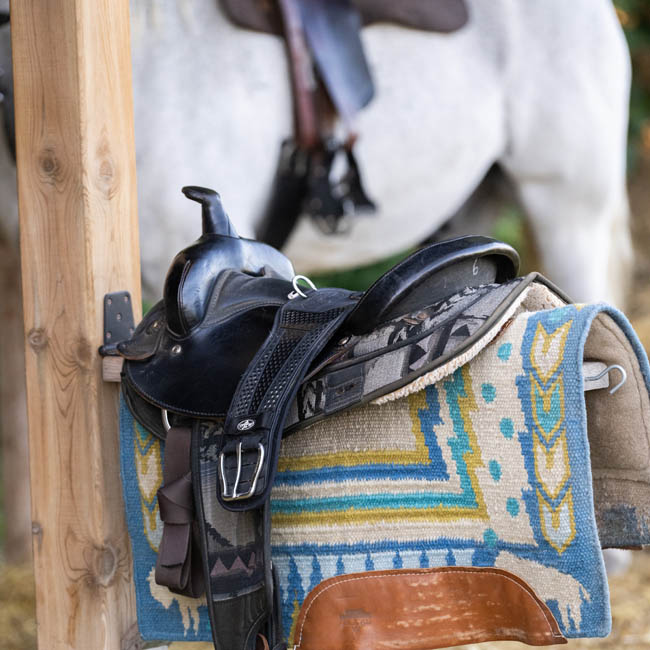
Ontario Equestrian Western Instructor and Competition Coach Workshop
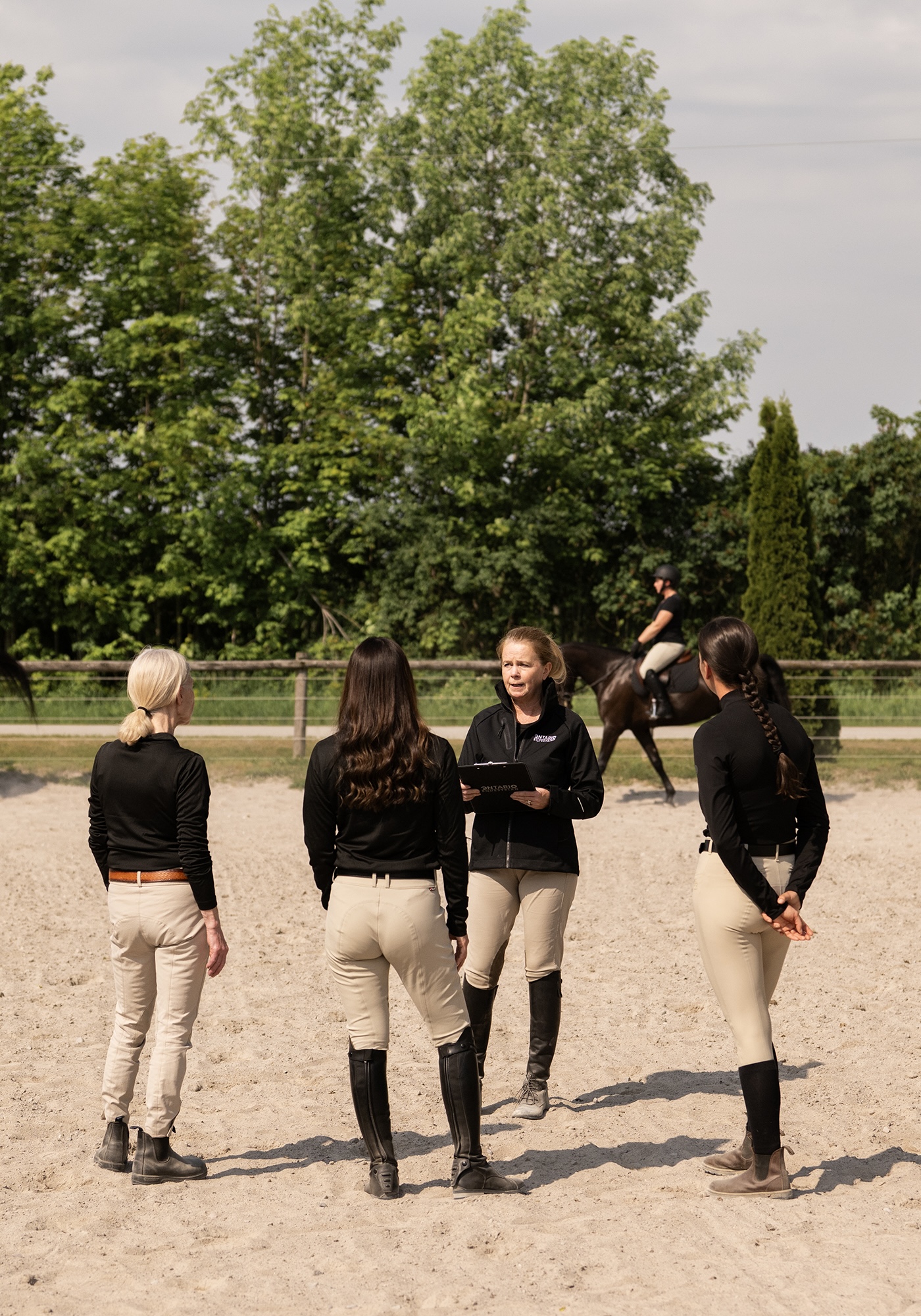
EC Learn To - English Rider Level 1-8 Evaluator Training
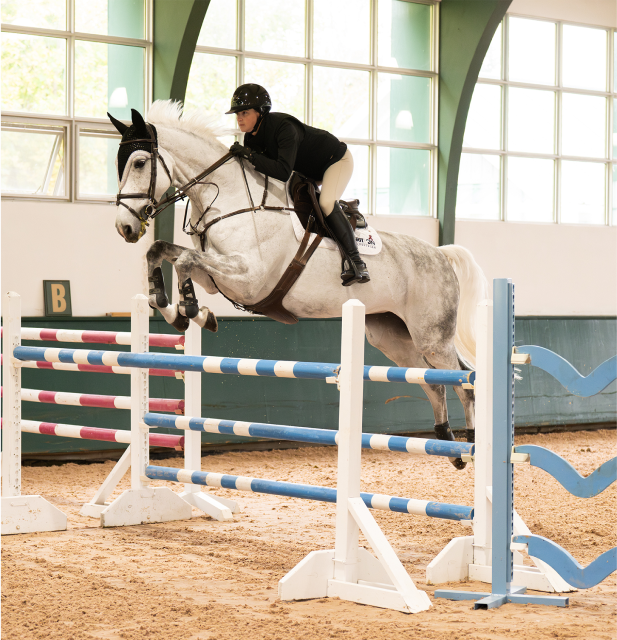
NCCP Performance Planning and Advanced Practice Planning for Equestrian Sport
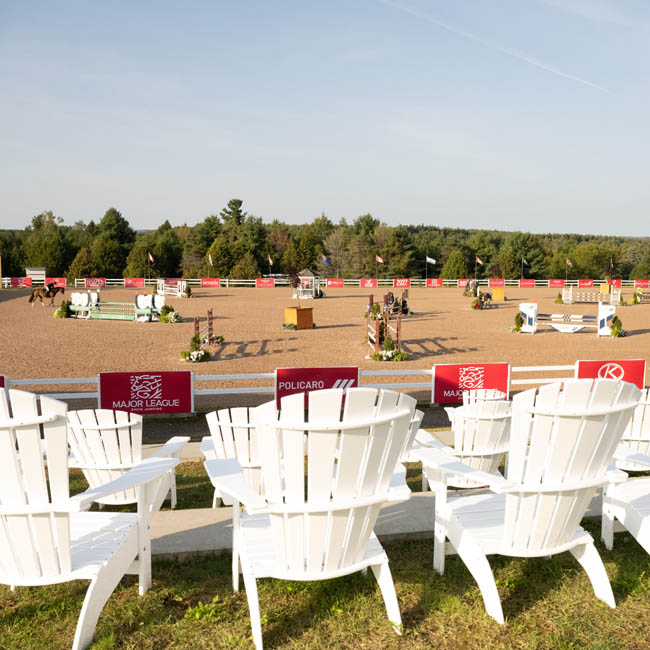
Ontario Equestrian English Evaluation Day Preparation Clinic
Join NCCP Master Coach Developers Ruth Allum (HP1-Eventing, NCCP ACD) and Helen Richardson (Competition Coach Specialist – Eventing) for a hands-on, 60-minute National Coaches Week session on building an effective Training, Competition, and Recovery Plan. Featuring a live Excel walkthrough, interactive breakouts, and downloadable templates, this workshop teaches you to build a simplified Yearly Training Plan (YTP) while empowering athletes to take ownership of their progress. You will learn how to leverage the YTP as a high-impact business and communication tool to elevate your professional value, protect equine and human health, retain clients year-round, and deliver transparent alignment to families regarding expectations, show schedules, and budgets.
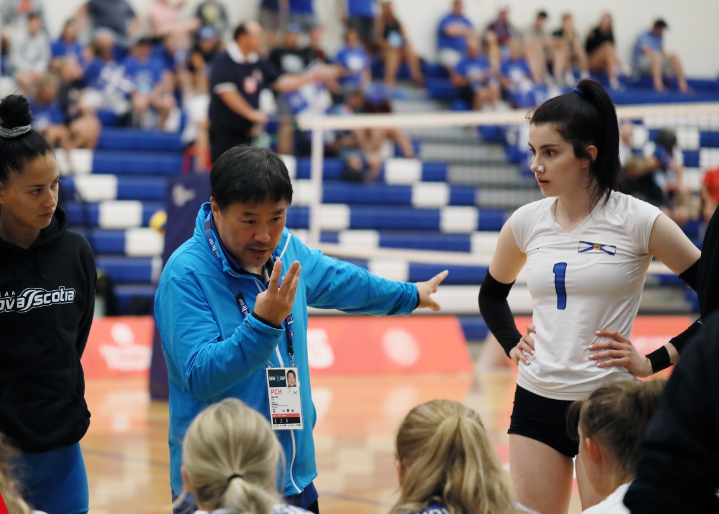
Make Ethical Decisions
The National Coaching Certification Program (NCCP) offers coaches the opportunity for training and evaluation in ethical decision-making.
Upon successfully completing NCCP Make Ethical Decisions, coaches will be fully equipped to handle ethical situations with confidence and surety. The training helps coaches identify the legal, ethical, and moral implications of difficult situations in the world of team and individual sport.
- Analyze a challenging situation and determine if it has moral, legal, or ethical implications.
- Apply the NCCP ethical decision-making model to appropriately respond to situations in a way that is consistent with the NCCP Code of Ethics.
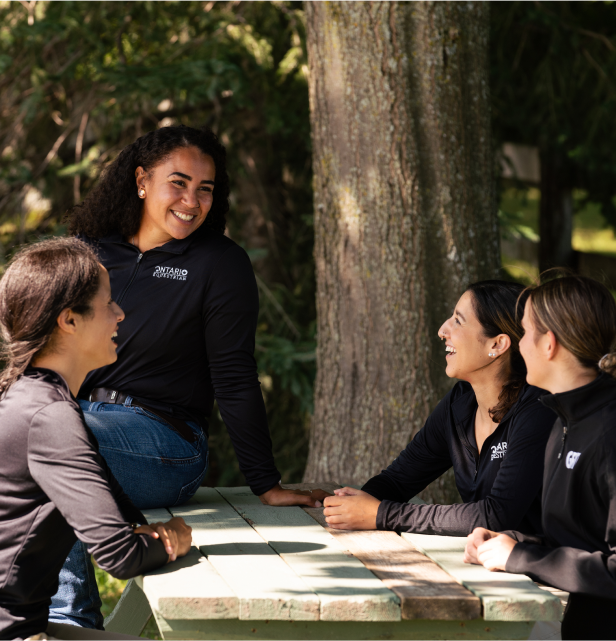
We believe a stronger, more sustainable industry is built through connection—not isolation—and that the best solutions often come from shared experience and honest conversation. These sessions create space for practical, collaborative dialogue on the topics that matter most, helping members make more confident, informed decisions in their own operations.
By joining Stable Conversations, you’re not just accessing resources—you’re becoming part of a supportive, forward-thinking community working together to strengthen stables across the industry.
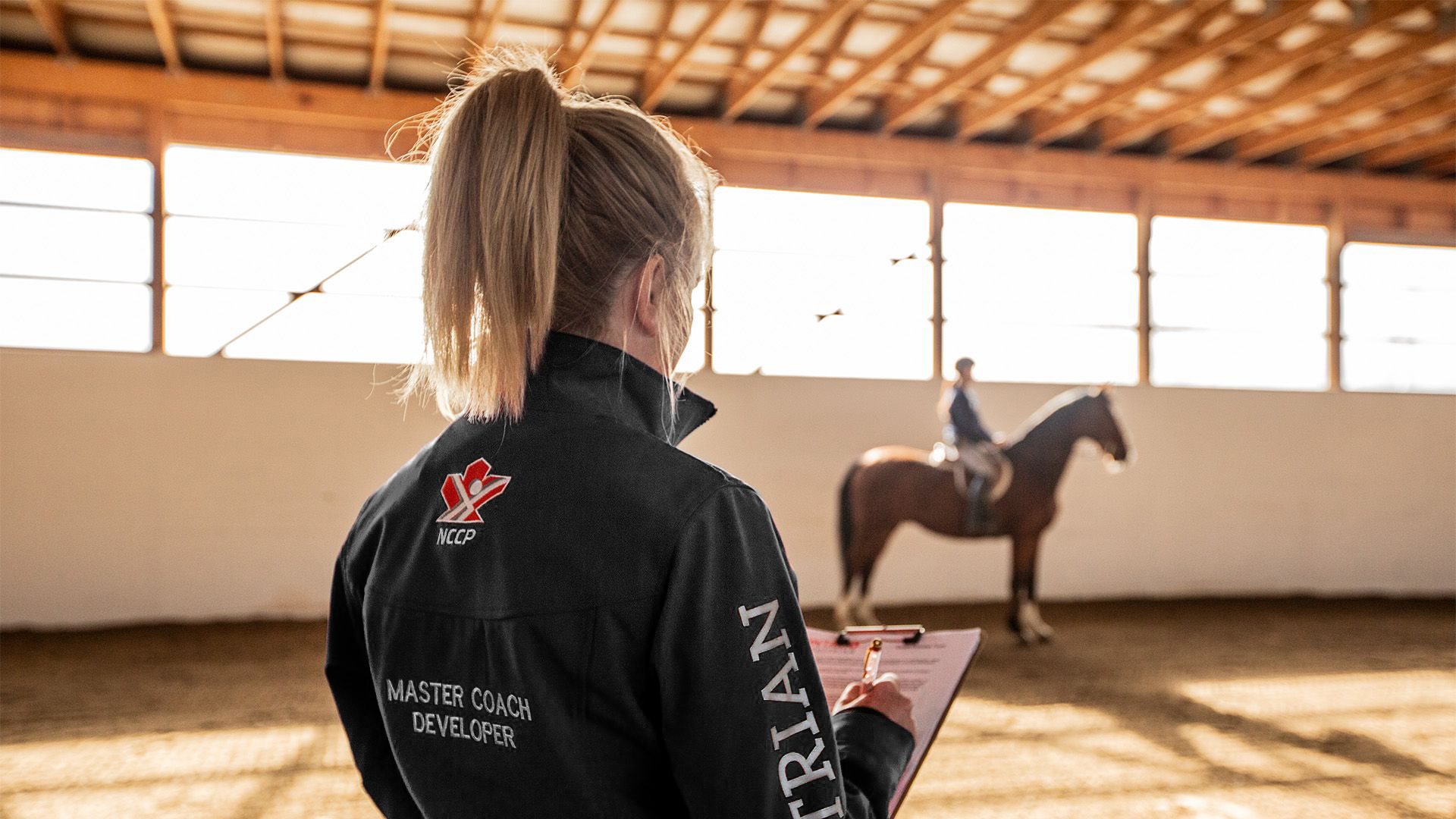
Competition Coach Specialists are working with these equestrians to develop the accuracy of their performances and develop the physical and mental skills needed as they begin to determine their ultimate goal in equestrian sport.
Applicants who register for evaluation MUST have completed the following requirements.
- Age (as of Jan 1) 20 years
- Equestrian Canada Coach Status Minimum current EC Registered Coach Status
EC Prerequisite
- Currently coach athletes at:
- English Disciplines:
Dressage: Second Level or higher, with at least one (1) minimum score of 65% at an EC Gold-sanctioned competition.
Eventing: Athletes meeting Minimum Eligibility Requirements (MER) at the national EV100 level or above.
Jump: Athletes who are successfully completing clear courses jumping 1m divisions at EC Silver or Gold sanctioned competitions or above. Hunter and equitation classes may be considered for athlete competing in the following recognized classes/divisions (or above) : Pre-Green Hunter (EC Rules G303), Children’s Hunter (EC Rules G307), Adult Amateur Hunter (EC Rules G309), CET Mini-Medal (or provincial medal classes of similar level).
Western Disciplines:
General Performance: At least two (2) years of coaching experience producing athletes competing at breedsanctioned or provincially sanctioned competitions. Currently coaching athlete(s) competing and achieving top-5 placings in a class of six (6) or more competitors under at least two (2) different judges at a minimum of three (3) breed or provincially sanctioned competitions. These results must be repeated in at least three (3) of the following: Western Pleasure, Showmanship, Horsemanship, Trail, Western Riding. Show records verifying placings must be submitted.
Reining: National Reining Horse Association (NRHA), Canadian Reining Classic (CRC) or breed shows and who have achieved min scores of 68 under at least two (2) different judges on three (3) or more runs.
Speed Events: Provincial or national speed events, breed shows, or rodeos, and who have achieved the following: Barrel Racing: A top-10 placing in any division at provincial or national speed event shows, or a top-6 placing at rodeos or breed shows, on three (3) or more runs. Pole Bending: A time of 26 seconds or under at provincial, national speed event or breed shows or rodeos on three (3) or more runs. Show records verifying the sets of either placings or times will need to be submitted.
<b>- NCCP Make Ethical Decisions online evaluation - Successfully completed through CAC Locker
- Understanding the Rule of Two eLearning module - Completed through CAC Locker
- Access to a facility or environment for recording video - Competitive rider(s), horse(s) at required performance level and facility or environment for recording video.
Description: Using a cohort working together in a virtual environment, candidates in the group will work together with an experienced team of Coach Developers, multisport facilitators and discipline experts, led by Ruth Allum (Master Coach Developer & HP1 Competition Development Coach, Advanced Coaching Diploma Certified) through training and mentoring to prepare for certification -and to complete the certification process for those candidates being evaluated.
Timing: The cohort will kick off the training and mentoring process on Mar 09, 2026 and will work together through 2026, with one in-person live workshop in October at Ontario Equestrian's GRIT performance athlete training camp.
Requirements: To attend the training cohort, candidates must have access to a computer or laptop (phones and tablets are not recommended) with high-speed internet, video camera, microphone, Microsoft Word or document editor and a gmail address for accessing google classroom.
Candidates completing the trained pathway through the cohort are not working towards evaluation in 2026. If candidates are ready to be evaluated, they may register for the Evaluation pathway separately.
 (1).jpg)
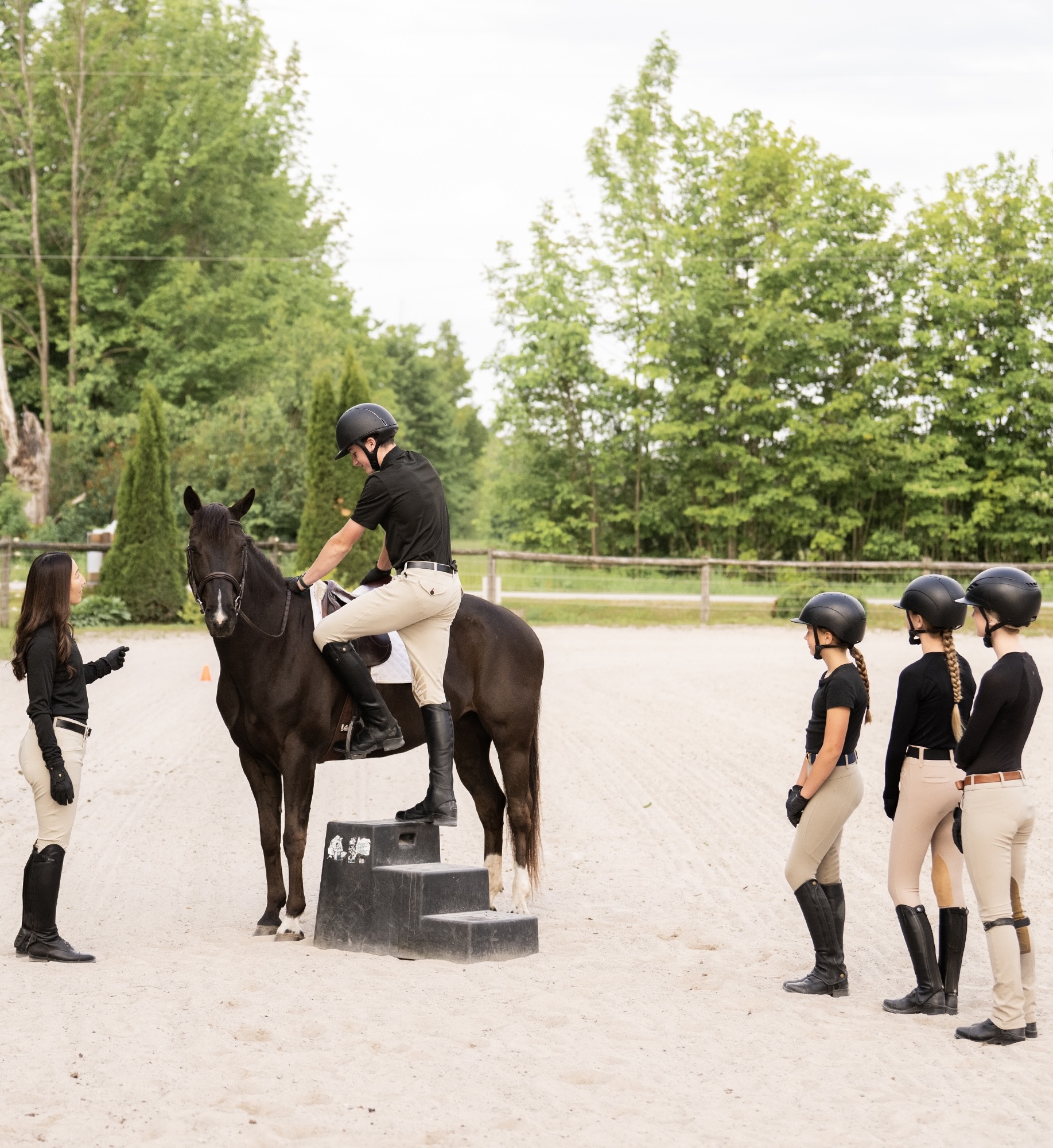
Led by experienced professionals, the program features a dynamic mix of classroom learning and hands-on experience, giving you the confidence to step into the ring as an official.

Led by experienced professionals, the program features a dynamic mix of classroom learning and hands-on experience, giving you the confidence to step into the ring as an official.
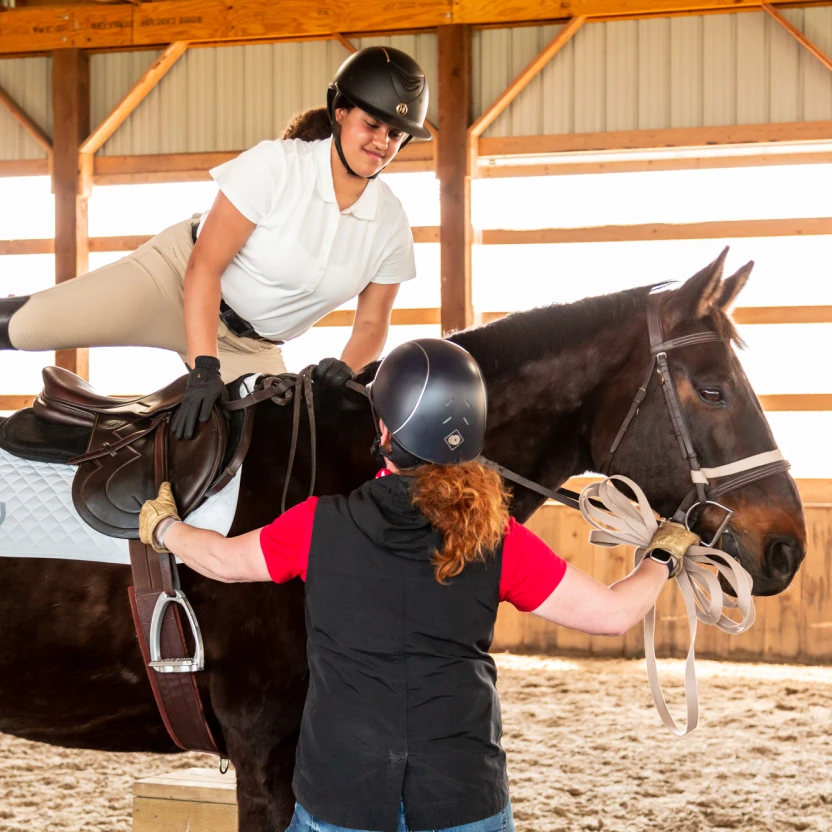

Using a cohort working together in a virtual environment, candidates in the group will work together with experienced Master Coach Developers Ruth Allum (HP1 – Eventing) and Helen Richardson (Competition Coach Specialist – Eventing) through training and mentoring to prepare for certification. The cohort will kick off the training and mentoring process in January and will work together through the recommended training and prep for Coach Specialist candidates. The training included in this course:
- Design an Equestrian Sport Program
- Manage an Equestrian Sport Program
Analyze Competitive Equestrian Performance
Extra sessions are included with the cohort to help prepare portfolio and coaching submissions for evaluation.
Candidates may register for evaluation separately when ready.
The Philip Parkes Memorial Coaching Scholarship is available for dressage coaches pursuing NCCP Certification. For more information or to apply: Philip Parkes Memorial Coaching Scholarship Application
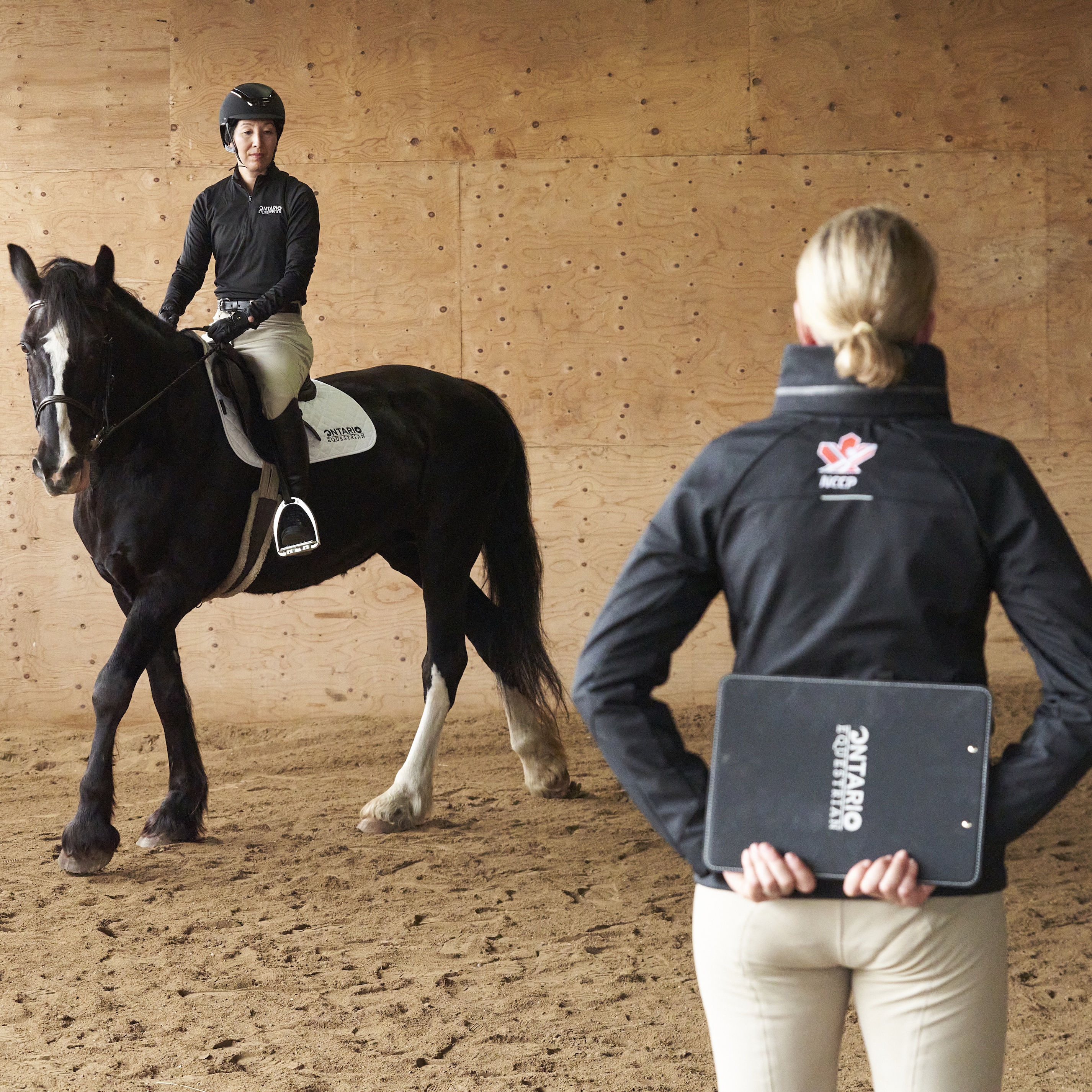
The clinic will simulate aspects of the evaluation day certification process. The day starts with an overview of the English Instructor and Competition Coach Rubrics, with a review of the Emergency Action Plan and the written Lesson Plans. Candidates will have 20 minutes, as in the evaluation, to teach their lesson topics. The evaluator will provide feedback and guide discussion. There will be lunging demonstrations for each coaching context and the day will close out with questions.
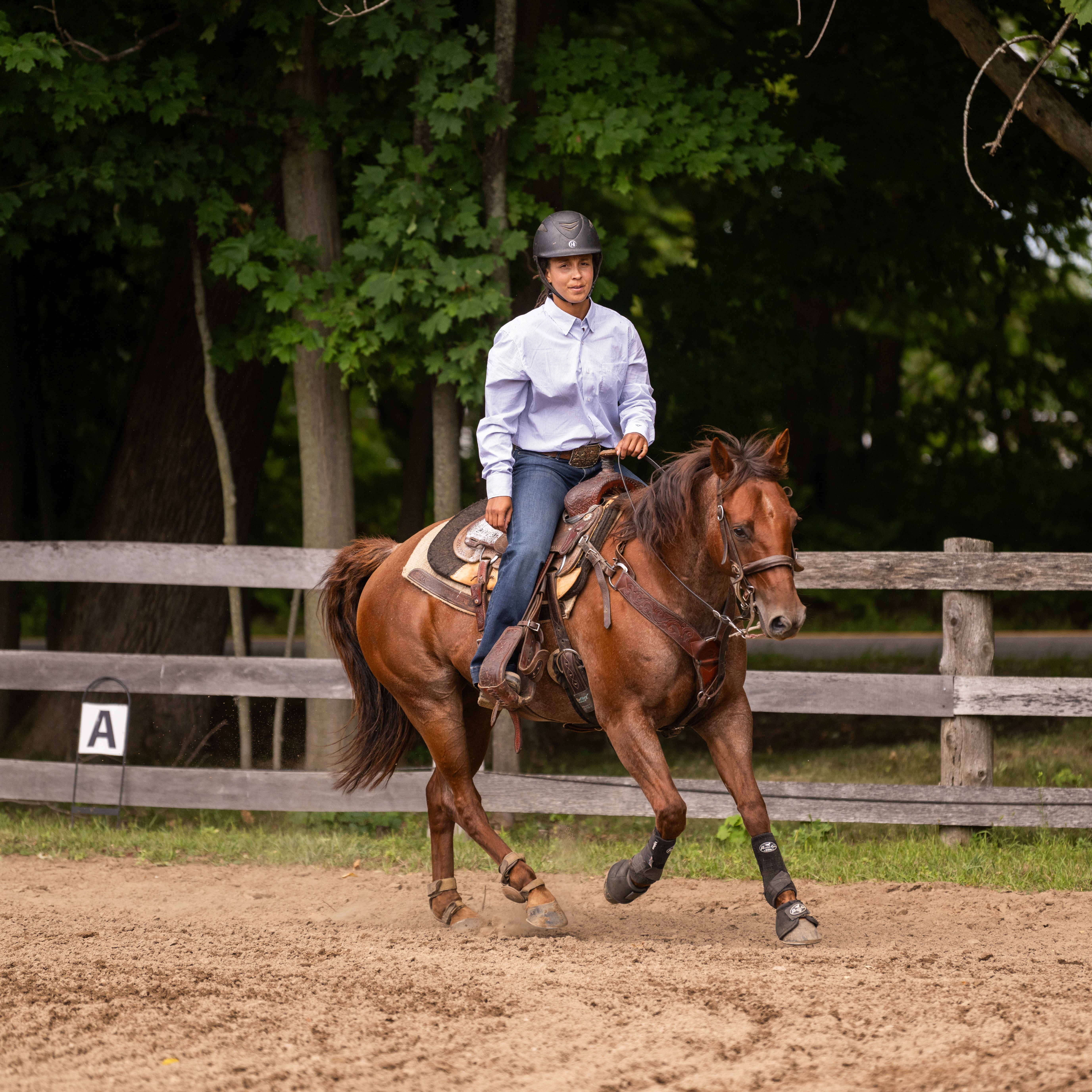
The Equestrian Canada (EC), Western Learn to Ride program begins for athletes at Rider Level 1, introducing the basics of horsemanship and rider skills from the first experience to Rider Level 4, and the Intermediate Rider Levels. The Learn to Ride program is designed to be guided by a Certified and Licensed Instructor or Coach, to ensure that the concepts are clearly understood as the athlete progresses to each more challenging level. The program provides an opportunity for athletes to progress by demonstrating their skills through a series of written tests, interviews, and under saddle tests at each level. The aim of the Rider Level evaluator training clinic is to train Instructors and Coaches to understand and detect the requirements for a Rider level candidate to be successful. They will also learn the procedures for setting up an evaluation. Upon completing this training, to become a Rider Level evaluator, Licensed and NCCP Certified Instructors will be eligible to evaluate for Learn to Ride Levels 1-4. Licensed and NCCP Certified Coaches will be eligible to evaluate for Rider Levels 1-4 and Intermediate Rider Basic Training. Evaluators will be provided with all the necessary tools and information to begin testing.
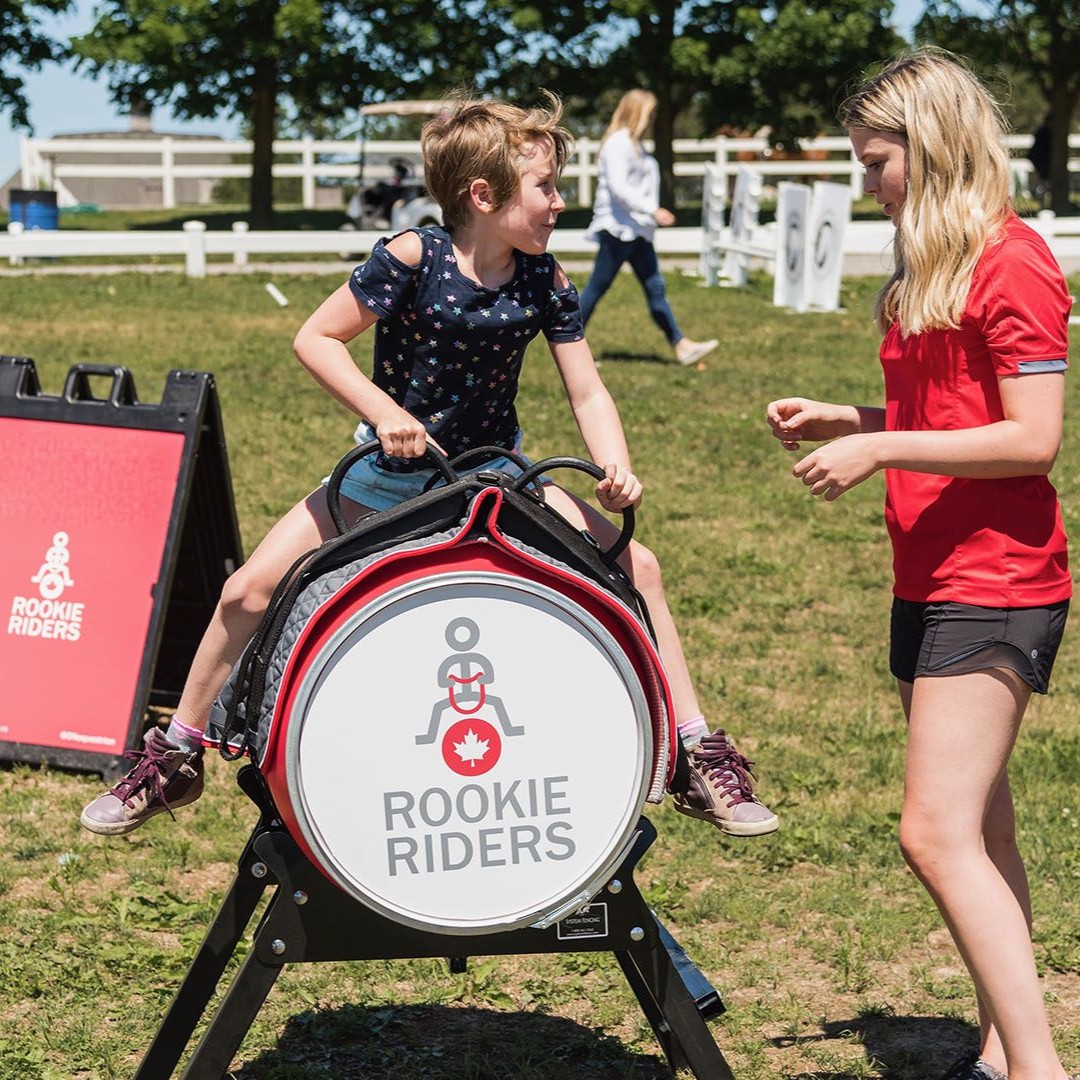
This 1-day training combines Rookie Riders Instructor Training 1 & 2.
This workshop will include an overview of the certification program, including the following:
Lunging Requirements and Practice
Lesson planning and delivery discussion
Teaching practice opportunities for those who feel ready
Bandaging requirements
The Equestrian Canada (EC), English Learn to Ride programs begin for junior and senior riders, at Rider Level 1 introducing the basics of horsemanship and rider skills from the first experience to rider level 10. The Learn to Ride program is designed to be guided by a Certified and Licensed Instructor or Coach, to ensure that the concepts are clearly understood before the rider progresses to more challenging levels. The program provides an opportunity for riders to progress, demonstrating their skills through a series of increasingly complex written tests, interviews, and under-saddle jump and flat tests. Upon completing this training Licensed and NCCP Certified Instructors and Coaches will be eligible to evaluate for Learn to Ride up to and including level 6. Evaluators will be provided with all the necessary tools and information to begin testing.
This is a Competition Development equestrian specific course. Please note that this course will be delivered in English, although bilingual staff will be present to offer explanations and answer questions in both official languages.
In order to achieve peak performance, an athlete’s training program needs to be periodized according to the demands of their sport, as well as their individual development needs. The Performance Planning and Advanced Practice Planning for equestrian sport module allows coaches to reflect on the structure of a yearly plan, develop a plan for training athletic abilities over a microcycle and appropriately sequence training and development priorities so as to achieve peak performance.
The goal of the Rule of Two is to ensure all interactions and communications are open, observable and justifiable. It is one of three pillars of the Responsible Coaching Movement, along with background screening and ethics training.
After completing the Understanding the Rule of Two eLearning module, participants will:
- Have a solid understanding of the Rule of Two Improve their ability to assess and implement preventive measures
- Be aware of questions to ask to determine their sport organization’s policies
Applying the Rule of Two in sport environments provides many benefits, including: Increasing the safety and security of all participants
- Reducing the risk of an incident of abuse Protecting everyone, including coaches and volunteers
- Reducing a sport organization's liability Providing additional help if there’s an accident or emergency
This is a free 2 hour monthly webinar format meeting. Exclusively for EC/NCCP Certified OE Coach Developers made possible by Mike King and CapriCMW. Each month we will address some of the questions, concerns and challenges relating to the EC Coaching Program and provide up-to-date information.
All OE Coach Developers are encouraged to attend but a recording of each meeting will be made available for those who were unable to join.
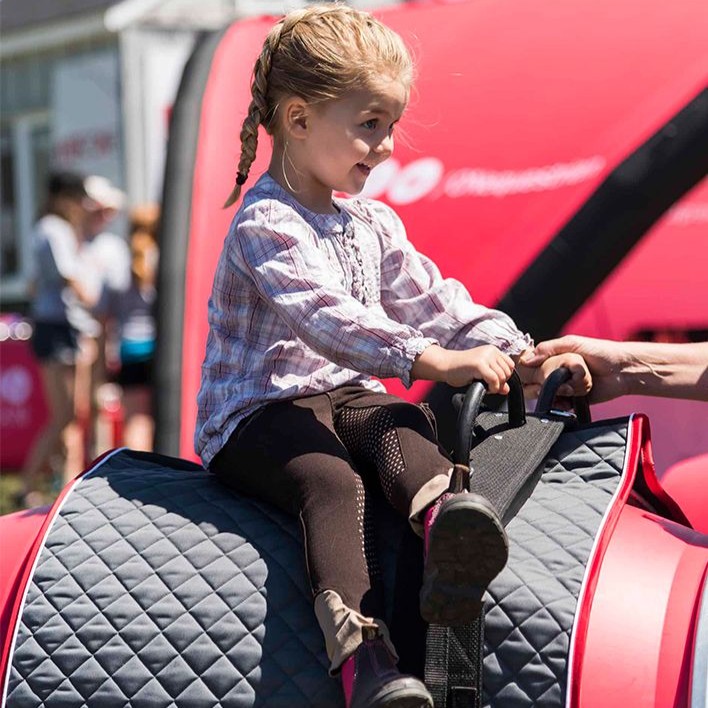
The fun-filled, active workshop focused on the instruction of fundamental skills and group management skills in a non-equestrian environment. At the completion of the program, instructor candidates will:
- Be familiar with the ground and barrel skills in the program
- Have practiced performing and teaching the majority of the skills included in the program
- Able to manage a large group of participants and lead small group activities using Rookie Riders lesson plans
- Be confident in their ability to deliver the Rookie Riders program to participants in the FUNDamentals and Learn to Train stages of development
Workshop participants will be given access to the PLAYBuilder App for a period of 1 year which includes access to pre-built lesson plans, instructional videos and other support resources as part of the workshop package. The workshop involves a high degree of physical activity, instructor candidates should be physically fit, capable of performing most skills in the Rookie Riders program.
After completing the Manage an Equestrian Sport Program course, you will be able to:
- manage administrative aspects of the program and oversee logistics;
- manage staff’s roles and responsibilities;
- manage camp and tournament finances and travel; and
- report on athlete progress throughout program.
The Manage an Equestrian Sport Program course is a half day course.
.jpg)
The Instructor Evaluation – Western assesses outcomes 1, 2 & 3 of the Instructor - Western Certification pathway and includes an in-person evaluation of lessons being coached to students at the appropriate level.
Upon completion, you will be able to:
-
Plan a practice for beginner drivers and/or riders and develop an Emergency Action Plan
-
Support athletes in training by teaching lessons
-
Analyze the performance of beginner drivers and/or riders

Instructor Evaluation - Drive for a coach candidate.
The Design an Equestrian Sport Program teaches Competition Coaches how to design a basic sport program.
Design an Equestrian Sport Program includes:
- Gathering the information to build your program
- Knowing and Analyzing your program
- Developing the Yearly Training, Competition & Recovery Plan
- Linking sport programs and practice sessions in this ever-changing Sport Environment
Upon completion, you will be able to:
- Outline a program structure based on available training and competition opportunities
- Identify program measures to promote rider/horse development
- Develop practice plans that integrate seasonal training priorities
Certification Contexts: Competition-Coach; Competition Coach Specialist; High-Performance 1
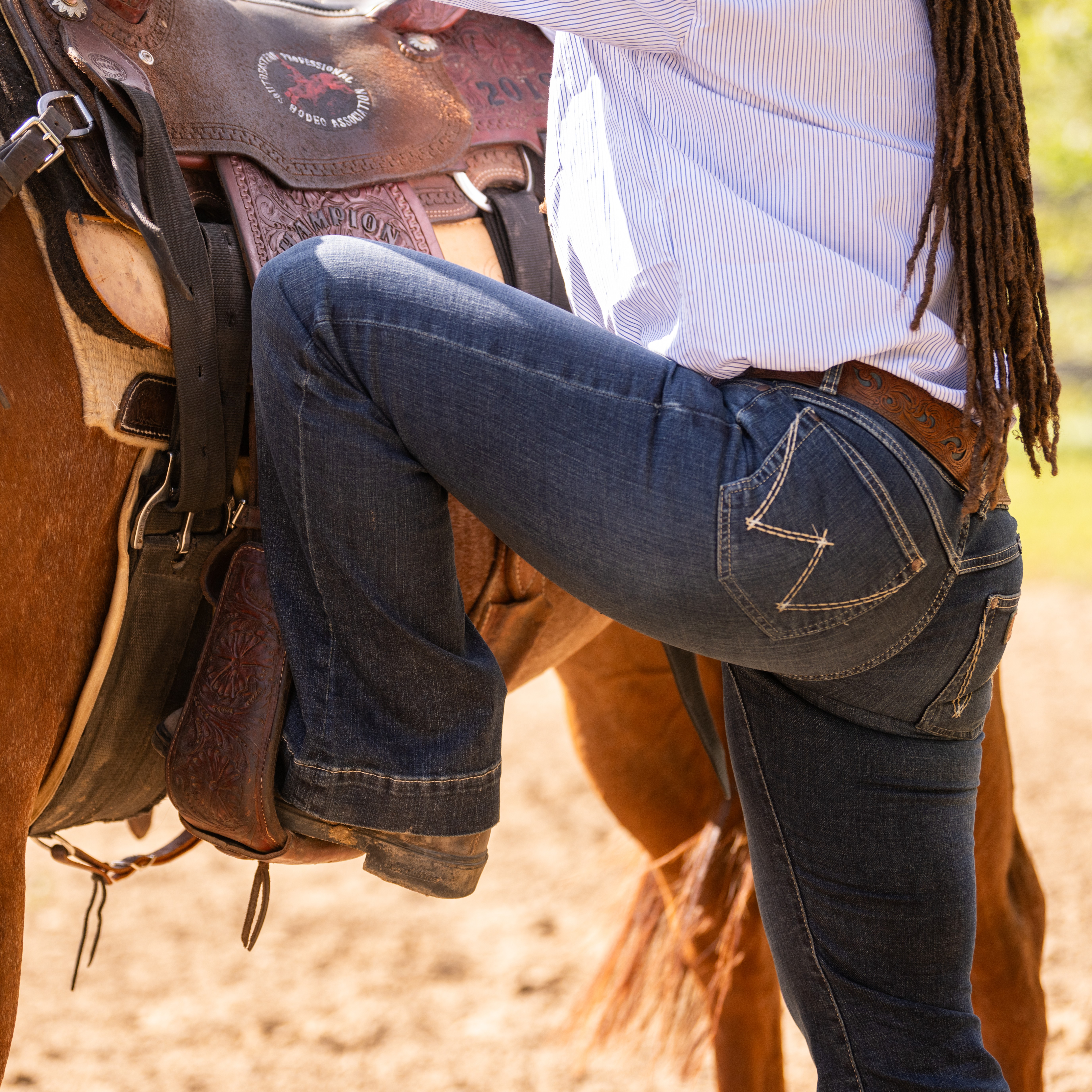
The Competition Coach Evaluation – Western assesses outcomes 1, 2 & 3 of the Competition Coach Certification pathway and includes the preparation of a coaching portfolio and an in-person evaluation of lessons being coached to students at the appropriate level.
The Analyzing Beginner Equestrian Performance course is a half day course that teaches the equestrian instructor and coach how to apply a basic framework to detect and correct skill errors and engage in extensive reflection on the analysis of performance. You will see how to optimize your students’ learning by implementing effective analysis methods in your lessons.
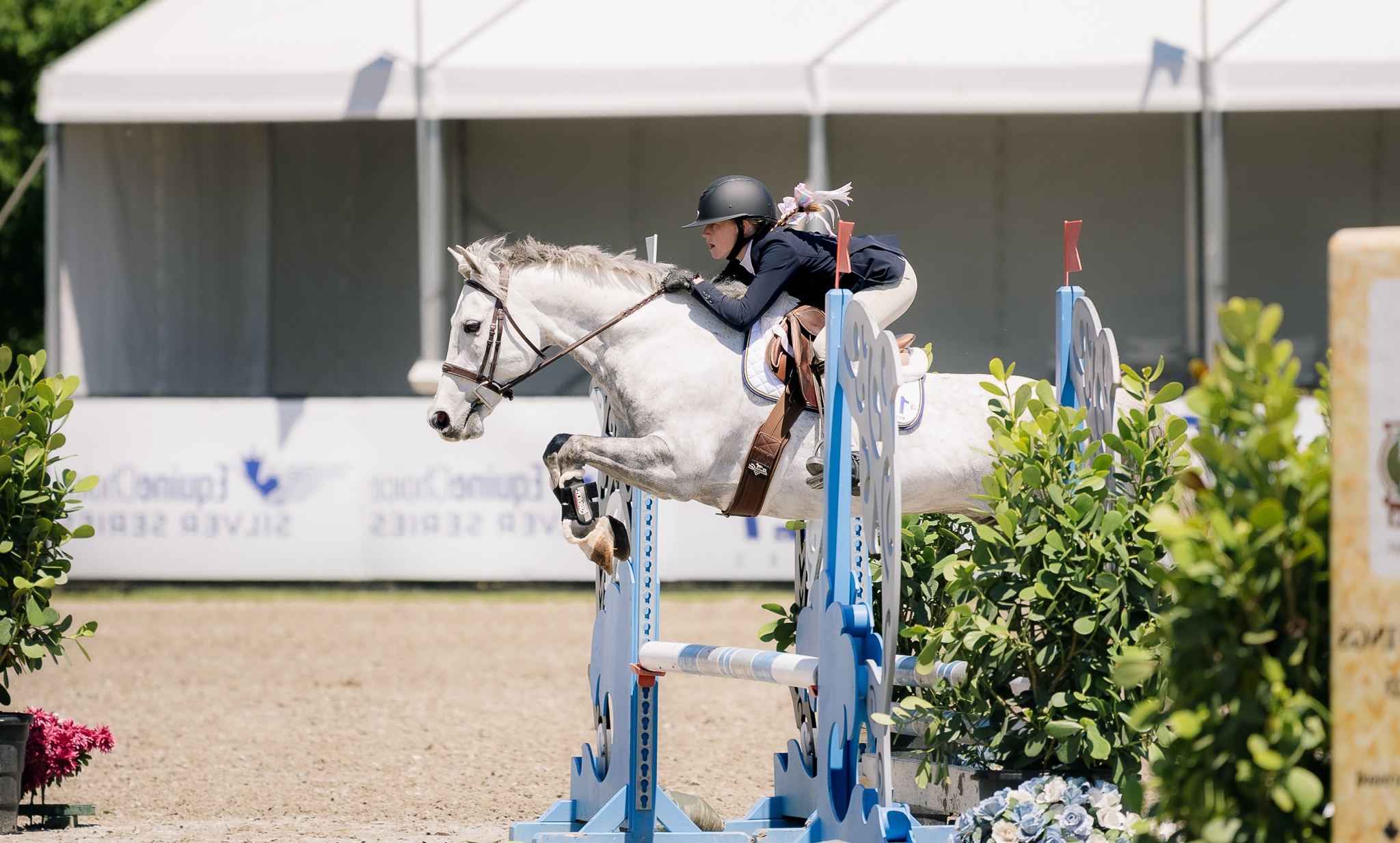
The Analyzing Performance Clinic, Competition Coach - English is designed to help Competition Coaches and Competition Coach Specialists develop, or refine, their analytical skills.
The learning activities in this module will prepare you to:
• Understand the Phases of Performance Analysis
• Identify and Enhance Athlete Intention and Decision-Making
• Address Root Causes of Errors and Implement Adjustments
• Apply Technical, Tactical, and Core Athletic Skills
• Develop Skills for Observing and Analyzing Performance
• Apply Referent Models in Coaching
Understanding how to determine gaps between your student and those competing at the top of the sport will help you refine your coaching eye and skill development.
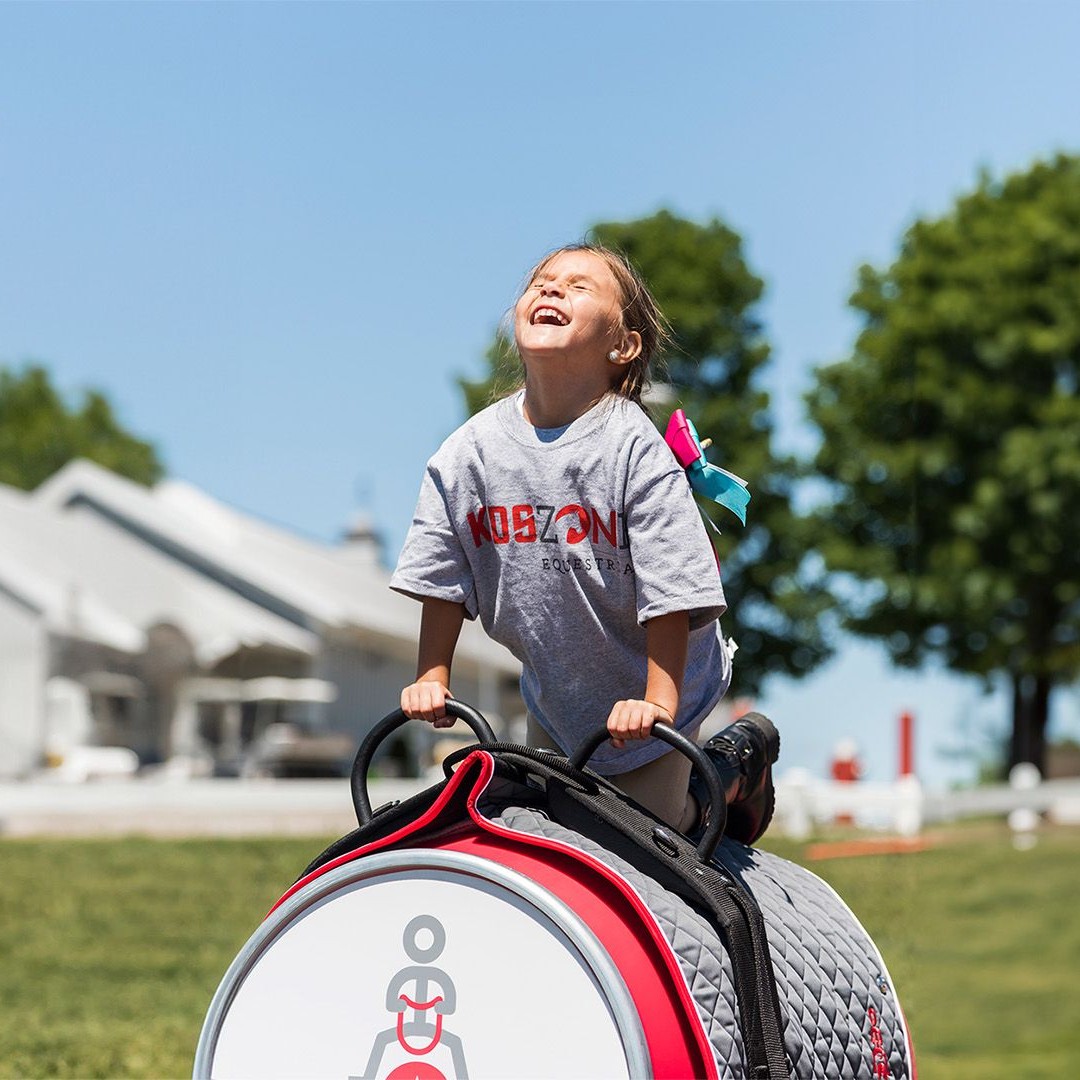
The second part of Rookie Riders Coach training will teach coaches to incorporate a horse(s) into the Rookie Riders program - this is for those Rookie Riders coaches teaching in equestrian facilities.